Integrating the Coquette Bow Summer Sublimation Design into Your Creative Workflow
The intersection of trend awareness and technical execution defines success in modern digital crafting. For creators, small business owners, and hobbyists, staying ahead of seasonal shifts requires more than just spotting a trend; it demands a streamlined process for implementing that trend into tangible products. The Coquette Bow Summer Sublimation Design represents a specific aesthetic moment—blending feminine, soft visuals with the high-energy vibe of summer. Understanding how to integrate this asset into your existing production pipeline can significantly reduce prep time while enhancing the commercial appeal of your output.
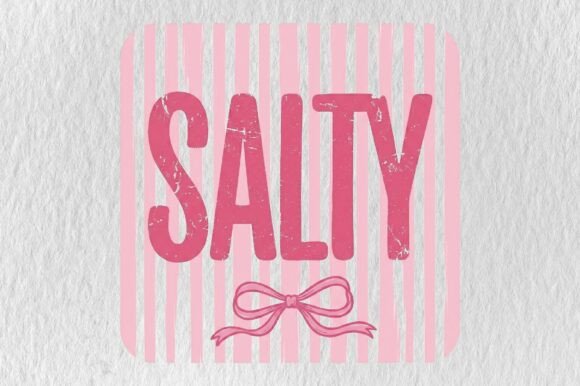
This design is not merely a static image; it is a functional component of a broader creative strategy. By leveraging pre-made, high-resolution assets like the Sweet Summer Time Pink Stripe PNG, you shift your focus from initial illustration to strategic application. This approach allows for faster turnaround times on custom orders, more consistent branding across product lines, and the ability to test market responsiveness with lower upfront effort.
Understanding the Aesthetic and Market Fit
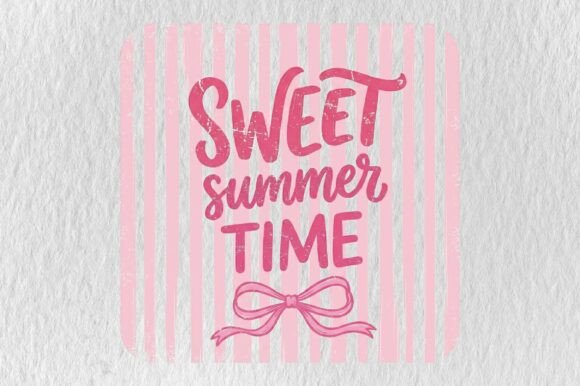
The "coquette" aesthetic has evolved from a niche internet micro-trend into a mainstream design language characterized by bows, lace, pastel palettes, and a sense of playful nostalgia. When combined with summer motifs—such as distressed lettering and bright stripes—the result is a versatile visual that appeals to a wide demographic. This particular design features distressed pink lettering, a matching striped background, and a charming ribbon bow accent. These elements work together to create a cohesive look that feels both curated and effortless.
From a workflow perspective, recognizing the versatility of this aesthetic is crucial. It is not limited to a single product type. Instead, it serves as a foundational layer for various applications. Whether you are designing for a local summer fair, updating an Etsy shop, or creating promotional materials for a boutique, the coquette style offers a recognizable visual hook. The key is to treat the design as a modular asset that can be adapted to different substrates and contexts without losing its core identity.
Pre-Production: Asset Preparation and Compatibility
Before any printing begins, the integrity of your digital file determines the quality of your final product. The Sweet Summer Time Pink Stripe PNG Design is provided as a high-resolution digital file, which is essential for sublimation printing. Sublimation relies on the transfer of dye into polyester fibers or polymer-coated surfaces, meaning that pixelation or low-resolution artifacts will be permanently baked into the product.
To ensure optimal results, begin by verifying the resolution of the downloaded file. Most professional sublimation projects require a minimum of 300 DPI (dots per inch) at the intended print size. If you are scaling the design for larger items like pillows or tote bags, check that the dimensions remain sharp. Since this is a PNG file, it likely includes a transparent background or a specific layered structure. Review the file in your preferred editing software—such as Adobe Photoshop, Affinity Photo, or even free alternatives like GIMP—to understand the layer hierarchy.
Organization is also a critical part of this phase. Create a dedicated folder for your summer collection, storing the original download alongside any mockups or color profiles you plan to use. This prevents version control issues later in the process. If you are working with a team or outsourcing printing, clear labeling ensures that everyone is working with the correct asset. Additionally, consider creating a standardized color profile (such as sRGB for digital viewing or CMYK adjustments if your printer requires specific calibration) to maintain consistency across different batches.
Integration into Product Lines
Once the asset is prepared, the next step is determining its application. The coquette bow design is particularly effective on items that benefit from soft, feminine touches. Here is how you can strategically deploy this design across different product categories:
- Apparel: T-shirts and tank tops are primary candidates. The distressed pink lettering pairs well with white or light pastel fabrics. Ensure you mirror the image before printing, as sublimation transfers are reversed.
- Drinkware: Tumblers and mugs offer a cylindrical canvas that wraps the striped background around the object. This creates an immersive visual experience. Pay attention to the seam where the design meets; positioning the bow accent away from the handle or seam can enhance the aesthetic.
- Home Decor: Pillows and tote bags allow for larger-scale prints. The striped background can serve as a pattern that extends beyond the central text, making the item feel more designed and less like a simple sticker placement.
- Small Accessories: Stickers and greeting cards are low-cost entry points for customers. These items are ideal for testing the design’s popularity before committing to larger inventory runs.
Each of these applications requires slight adjustments in your workflow. For example, printing on hard goods like mugs requires heat-resistant tape and precise wrapping techniques, while fabric items need careful pressing to avoid scorching. By standardizing your preparation steps for each category, you can move through production more efficiently.
Execution: Printing and Quality Control
The actual sublimation process is where planning meets physical reality. Success here depends on three variables: time, temperature, and pressure. While specific settings vary by printer and substrate, general best practices apply. Always perform a test print on a scrap piece of material before committing to your final inventory. This allows you to check color accuracy, particularly with the pink tones, which can shift depending on the whiteness of the base material.
During the pressing phase, ensure that your heat press is level and clean. Any debris on the platen can cause imperfections in the transfer. Use butcher paper or Teflon sheets to protect both the design and the press. For the Coquette Bow Summer Sublimation Design, pay close attention to the distressed elements. If the pressure is too high, the fine details of the distressing may blur; if it is too low, the transfer may appear patchy. Finding the sweet spot requires experimentation, but once established, document these settings for future reference.
Quality control should happen immediately after the item cools. Inspect each piece for color vibrancy, alignment, and any signs of ghosting (where the image shifts during the press). Consistent quality builds trust with customers and reduces the likelihood of returns or negative reviews. If you are producing in bulk, consider implementing a checklist that includes visual inspection, packaging standards, and labeling accuracy.
Post-Production: Marketing and Long-Term Use
After the physical products are created, the workflow shifts to marketing and distribution. The coquette aesthetic is highly visual and performs well on social media platforms like Instagram and Pinterest. Use high-quality photos that highlight the texture of the distressed lettering and the softness of the pink hues. Lifestyle shots—showing the tumbler in a summer setting or the tote bag being used at a market—help customers visualize the product in their own lives.
From a business perspective, this design can serve as a template for future collections. Analyze which products sold best and why. Did the bow accent resonate more on apparel or home decor? Use these insights to inform your next design cycle. You might explore variations of the stripe pattern, different bow styles, or alternative color palettes while maintaining the same structural layout. This iterative approach allows you to build a cohesive brand identity without starting from scratch every season.
Furthermore, consider bundling items. A t-shirt paired with a matching tote bag creates a higher average order value and reinforces the thematic consistency of your shop. By treating the Sweet Summer Time Pink Stripe PNG as part of a larger ecosystem rather than a standalone item, you maximize its utility and profitability.
Conclusion
Incorporating the Coquette Bow Summer Sublimation Design into your creative process is about more than just printing an image. It involves careful preparation, strategic application, and rigorous quality control. By understanding the technical requirements of sublimation and the aesthetic appeal of the coquette trend, you can create products that are both visually striking and commercially viable. Whether you are a seasoned entrepreneur or a hobbyist looking to refine your craft, focusing on workflow efficiency and consistency will yield better results than relying on spontaneity alone. Embrace the tools available to you, organize your assets effectively, and let the design do the heavy lifting in capturing the essence of summer.