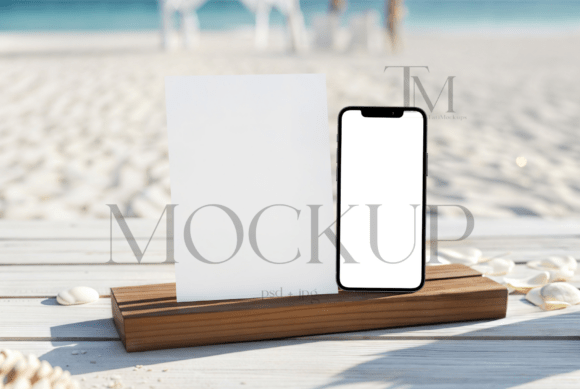
Elevating Coastal Designs with a Beach Wedding Menu Mockup
In the competitive world of wedding stationery design, presentation is often just as critical as the artwork itself. For designers specializing in coastal themes, finding the right way to showcase their work can be a challenge. This is where a specialized Beach Wedding Menu Mockup becomes an invaluable asset. It serves not merely as a background image, but as a strategic tool that bridges the gap between digital creation and tangible reality. By presenting seasonal wedding stationery through a realistic ocean-themed lens, creators can help clients visualize the final product with remarkable clarity.
The Power of Contextual Presentation
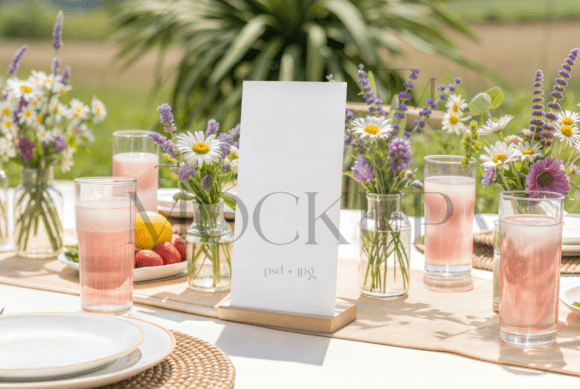
When a couple is planning a beachside ceremony, their aesthetic choices are deeply influenced by the environment. They imagine soft sands, gentle waves, and natural light. A standard, flat digital proof of a menu card often fails to capture this emotional resonance. However, by utilizing a high-quality mockup that features authentic shadows and textures, designers can place their 4x8 or 4x9 card designs directly into that dreamlike context.
The primary value of this approach lies in its ability to evoke emotion. When a potential client sees their custom typography resting on a dinner plate, surrounded by the subtle hints of a seaside setting, the design stops being just a file on a computer screen. It becomes a part of their upcoming celebration. This psychological shift is powerful. It helps clients make faster decisions because they can clearly see how the piece fits into their overall theme. For the designer, this means fewer revisions and a higher perceived value for their services.
Understanding the Technical Features
To achieve this level of realism, the underlying technology of the mockup is crucial. Most professional-grade templates, such as those offered by providers like TatiMockups, are built as layered PSD (Photoshop Document) files. These files are engineered with smart object layers, which are the backbone of efficient design workflows.
The inclusion of authentic shadows and textures is what separates a amateur composition from a professional display. In a real-world setting, light interacts with paper in specific ways. It creates soft drop shadows, highlights the texture of the cardstock, and reflects slightly off glossy finishes. A well-crafted Beach Wedding Menu Mockup replicates these physical properties digitally. This ensures that when you drop your artwork into the smart layer, it doesn't look like it was simply pasted on top. Instead, it appears to be physically sitting on the plate, adhering to the same lighting conditions as the rest of the scene.
Streamlining Your Workflow
For busy designers and small business owners, time is a scarce resource. The efficiency of using a pre-made template cannot be overstated. The process is designed to be intuitive and rapid, allowing you to update your listing displays or client proofs in minutes rather than hours. Here is how the typical workflow operates when using these digital tools:
- Launch Photoshop: Open the provided PSD file in your preferred version of Adobe Photoshop.
- Access the Smart Object: Locate the designated smart object layer, usually clearly labeled in the layers panel, and double-click it. This opens a new tab containing your placeholder design.
- Insert Your Artwork: Simply drag and drop your graphic or menu design onto this template. Ensure that your design matches the required dimensions, typically 4x8 or 4x9 inches, to fit perfectly within the boundaries.
- Adjust and Align: Resize your image if necessary, ensuring it aligns precisely with the card’s dimensions. Pay attention to the edges to maintain a clean look.
- Save and Update: Save your work in the smart object tab. Upon saving, return to the main mockup file, and you will see your design instantly updated with all the realistic shadows and textures applied automatically.
This non-destructive editing process means you can experiment with different fonts, colors, and layouts without ever compromising the integrity of the original mockup file. It allows for rapid iteration, which is essential when working with clients who may want to see multiple variations before making a final choice.
Who Benefits from Ocean-Themed Templates?
The utility of a Beach Wedding Menu Mockup extends beyond just graphic designers. Various professionals within the wedding industry can leverage these tools to enhance their marketing and communication efforts.
- Stationery Designers: They can use these mockups to create stunning portfolio pieces and social media content that attracts couples looking for coastal-themed weddings.
- Etsy Sellers and Online Retailers: For those selling digital or printed invitations, high-quality visuals are key to conversion. A realistic mockup helps online shoppers understand the scale and quality of the product, reducing hesitation and potential returns.
- Wedding Planners: Planners often create mood boards for their clients. Using realistic mockups allows them to present a cohesive vision of the table settings, including menus, place cards, and invitations, all within the correct environmental context.
- Print Shops: Local printers can use these files to show customers how different paper stocks and finishes might look in a finished setting, aiding in upselling premium materials.
Practical Considerations and Limitations
While these tools are incredibly useful, it is important to have realistic expectations about what they can and cannot do. First and foremost, it is essential to remember that items purchased from platforms like TatiMockups are digital files. No physical item will be shipped to you. The original files come without watermarks, ensuring that your final output is clean and professional, but the stationery designs themselves are not included in the purchase. They are for display purposes only.
Furthermore, there are specific terms and conditions associated with the use of these assets. Reselling the work as a mockup is strictly prohibited. The purpose of the file is solely for incorporating your own designs into business or personal projects. You are allowed to modify the image and apply filters to align with your branding requirements, which offers a degree of flexibility. However, understanding these boundaries is crucial to maintaining a professional relationship with the creator and respecting intellectual property rights.
Another consideration is the technical requirement. To use these PSD files effectively, you need access to Adobe Photoshop. While there are other software options available, the smart object functionality is specific to Photoshop. If you are a beginner, there may be a slight learning curve, but numerous tutorials exist to guide you through the process. Additionally, since no refunds are typically offered for digital downloads, it is wise to review the preview images and descriptions carefully before purchasing to ensure the style matches your needs.
Enhancing Brand Consistency
One of the often-overlooked benefits of using a consistent set of mockups is brand recognition. If you are a designer who specializes in beach weddings, using a signature ocean-themed mockup across your Instagram, website, and Pinterest can create a cohesive visual identity. Followers and potential clients begin to associate that specific aesthetic with your brand.
You can further customize these mockups by applying filters or adjusting color balances to better match your specific branding requirements. For instance, if your brand leans towards warm, golden-hour tones, you can tweak the mockup to reflect that warmth. This level of customization ensures that while you are using a template, the final output still feels unique and tailored to your business identity.
Making the Right Choice for Your Project
When evaluating whether a Beach Wedding Menu Mockup is suitable for your current project, consider the end goal. Are you trying to sell a digital template to other designers? Or are you showcasing a custom design to a bride and groom? If it is the latter, the realism provided by high-resolution JPGs and layered PSDs is unmatched. It provides a sense of tangibility that flat designs lack.
Also, consider the versatility of the file. A good mockup should allow for easy insertion of various design sizes, such as the standard 4x8 or 4x9 cards. Check if the provider offers high-resolution files that will look crisp on both mobile screens and large desktop monitors. The quality of the shadows and textures should be subtle enough to support your design without overpowering it. The goal is to highlight your artwork, not the mockup itself.
In conclusion, integrating a realistic ocean-themed menu mockup into your design workflow is a strategic move for any professional involved in the wedding industry. It enhances client communication, streamlines the presentation process, and elevates the perceived value of your work. By understanding the technical features, respecting the usage terms, and leveraging the emotional power of contextual design, you can create compelling visuals that resonate with couples dreaming of their perfect day by the sea. Thank you for browsing TatiMockups, and may these tools help you bring your creative visions to life with ease and elegance.